Secure Storage Solutions for Valuable Minerals

In an era where the demand for valuable minerals is skyrocketing, ensuring their safe storage has become a pressing concern for industries ranging from electronics to renewable energy. With the increasing value of these resources, the risk of theft, damage, or loss has also escalated. This blog post explores various secure storage solutions tailored for valuable minerals, highlighting best practices, technologies, and strategies to safeguard these essential assets.
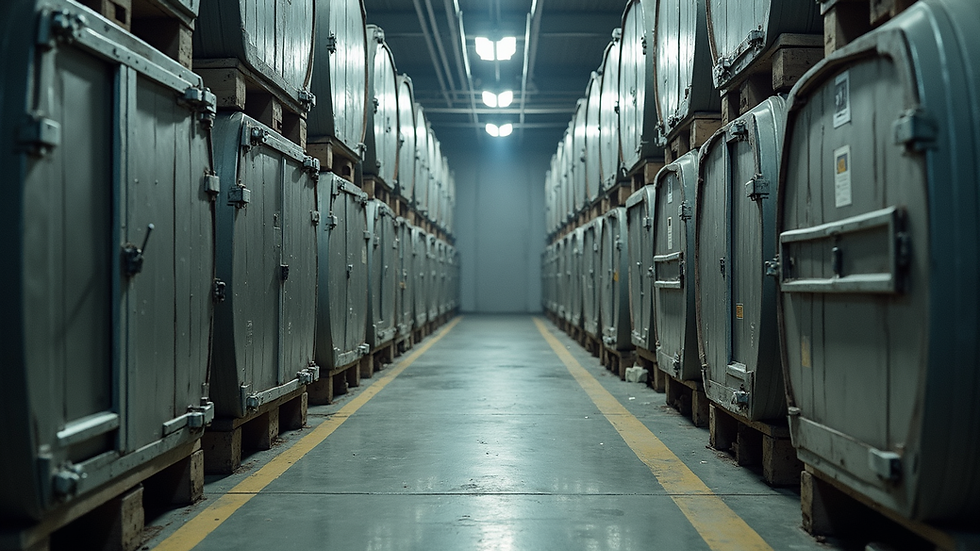
Understanding the Importance of Secure Storage
Valuable minerals, such as lithium, cobalt, and rare earth elements, play a crucial role in modern technology. Their applications range from batteries in electric vehicles to components in smartphones. As their demand grows, so does the need for secure storage solutions. Here are some key reasons why secure storage is vital:
Prevention of Theft: High-value minerals are attractive targets for thieves. Effective storage solutions can deter criminal activity.
Protection from Environmental Damage: Minerals can be sensitive to environmental conditions. Proper storage can prevent degradation and loss of quality.
Regulatory Compliance: Many industries are subject to regulations regarding the storage of hazardous materials. Adhering to these regulations is essential for legal compliance and safety.
Types of Secure Storage Solutions
When it comes to storing valuable minerals, various solutions can be employed. Each has its own advantages and is suited for different types of minerals and storage needs.
1. Vaults and Safe Rooms
Vaults are highly secure storage facilities designed to protect valuable items from theft and environmental damage. They often feature:
Reinforced Walls: Made from steel or concrete to withstand forced entry.
Advanced Locking Mechanisms: Biometric or electronic locks that provide an additional layer of security.
Climate Control Systems: To maintain optimal conditions for sensitive minerals.
Safe rooms serve a similar purpose but are typically smaller and can be integrated into existing facilities. They are ideal for businesses that require immediate access to their minerals while still ensuring security.
2. Climate-Controlled Storage Units
For minerals that are sensitive to temperature and humidity, climate-controlled storage units are essential. These units maintain specific environmental conditions, preventing degradation. Key features include:
Temperature Regulation: Keeping minerals at a consistent temperature to avoid heat-related damage.
Humidity Control: Reducing moisture levels to prevent corrosion or mold growth.
3. Secure Warehousing Solutions
For larger quantities of minerals, secure warehousing can be an effective solution. These facilities often include:
24/7 Surveillance: Cameras and security personnel monitor the premises around the clock.
Access Control Systems: Limiting entry to authorized personnel only.
Inventory Management Systems: Tracking the quantity and condition of stored minerals.
4. Mobile Storage Solutions
In some cases, mobile storage solutions can be beneficial, especially for operations that require flexibility. These include:
Shipping Containers: Modified for security and climate control, they can be transported to various locations as needed.
Mobile Vaults: Designed for temporary storage at job sites or during transportation.
Best Practices for Secure Storage
Implementing secure storage solutions is not just about choosing the right facility; it also involves adopting best practices to enhance security and efficiency.
1. Conduct Regular Risk Assessments
Regularly assessing the risks associated with mineral storage can help identify vulnerabilities. Consider factors such as:
Location: Is the storage facility in a high-crime area?
Access Points: Are there multiple entry points that could be exploited?
Environmental Factors: Are there risks of flooding, fire, or other natural disasters?
2. Implement Strict Access Controls
Limiting access to storage facilities is crucial. This can be achieved through:
Key Card Systems: Only allowing authorized personnel to enter.
Visitor Logs: Keeping track of who enters and exits the facility.
Background Checks: Ensuring that employees handling valuable minerals are trustworthy.
3. Utilize Technology for Monitoring
Investing in technology can significantly enhance security. Consider the following:
CCTV Cameras: Providing real-time monitoring and recording of activities.
Alarm Systems: Alerting security personnel to unauthorized access.
Inventory Management Software: Tracking the movement and condition of minerals.
4. Train Employees on Security Protocols
Educating employees about security protocols is essential. Training should cover:
Emergency Procedures: What to do in case of a theft or environmental hazard.
Proper Handling of Minerals: Ensuring that employees understand how to store and transport minerals safely.
Case Studies: Successful Storage Solutions
Case Study 1: Lithium Storage Facility
A lithium mining company faced challenges with theft and environmental damage at their storage facility. They implemented a secure vault system with climate control, reinforced walls, and advanced locking mechanisms. As a result, they reported a 50% reduction in theft incidents and improved the quality of their stored lithium.
Case Study 2: Cobalt Warehousing
A cobalt supplier utilized a secure warehousing solution with 24/7 surveillance and strict access controls. They also integrated an inventory management system that allowed them to track their minerals in real-time. This approach not only enhanced security but also improved operational efficiency, reducing losses by 30%.
Future Trends in Secure Storage Solutions
As technology evolves, so do secure storage solutions. Here are some trends to watch for:
1. Smart Storage Solutions
The integration of IoT (Internet of Things) technology into storage solutions is on the rise. Smart sensors can monitor environmental conditions and alert managers to any changes, ensuring optimal storage conditions.
2. Blockchain for Inventory Management
Blockchain technology offers a secure and transparent way to track minerals throughout the supply chain. This can enhance accountability and reduce the risk of fraud.
3. Enhanced Security Technologies
Advancements in security technologies, such as facial recognition and AI-driven surveillance systems, are becoming more common in storage facilities. These technologies can provide real-time insights and improve response times to security breaches.
Conclusion
The secure storage of valuable minerals is essential for protecting these critical resources from theft, damage, and loss. By implementing robust storage solutions and best practices, businesses can safeguard their assets and ensure compliance with regulations. As technology continues to advance, staying informed about new trends and innovations will be key to maintaining security in an ever-evolving landscape.
Investing in secure storage solutions is not just a precaution; it is a strategic move that can enhance operational efficiency and protect valuable resources for the future.


Comments